
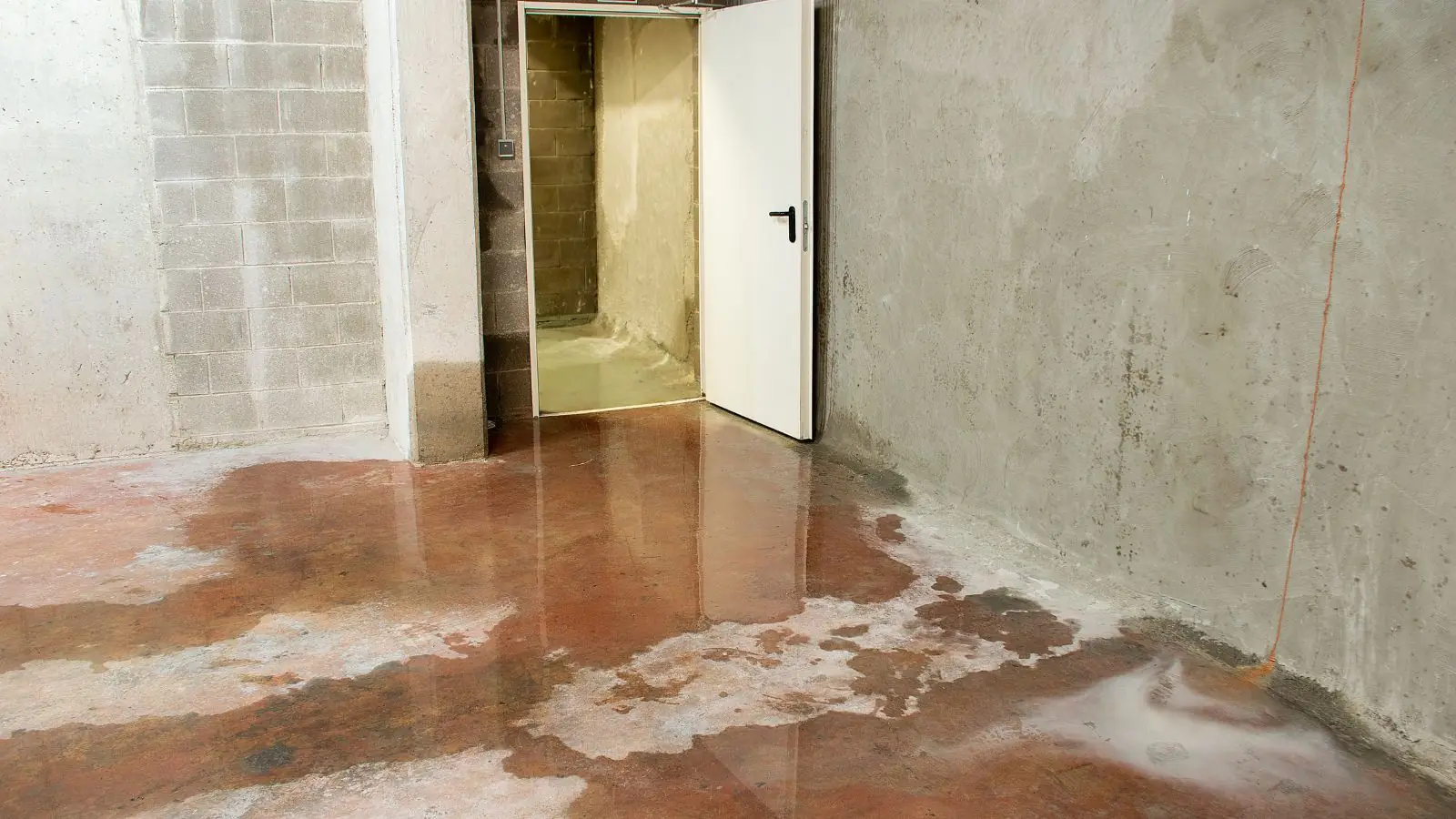
Signs the water may be coming from under the floor
We do not know how many Reseda homes are built on a slab, and no public source we found says. If your home sits on a concrete slab, though, the water lines often run through or beneath it, and a pinhole there leaks quietly. The signs tend to show up on the surface first.
A warm patch on the floor
A hot water line leaking below tile or laminate can warm one spot. Bare feet notice it before any gauge does.
Running-water sound at night
Hissing or trickling when every fixture is off suggests a pressurized line, not a drain.
A bill that keeps climbing
Usage rising with no change in habits is a classic prompt to test the meter.
Damp carpet or lifting boards
Baseboards that swell, grout that darkens or flooring that peaks along a seam can all mean moisture from below.
Musty smell near one wall
A smell with no visible source is a reason to check readings, not a reason to spray air freshener.
Low pressure at the tap
Water escaping underground can lower pressure at fixtures farther down the line.
A simple meter test before you call anyone
Shut off every tap, the dishwasher, the washer and the irrigation, then look at the water meter. If the small dial or leak indicator keeps moving, water is going somewhere. This test cannot say where, but it separates a leak from a high-use month.
If you see water actively pooling, close the main shutoff valve at the house and call a plumber. Do not break the slab yourself, and keep electrical devices off any wet floor.
Floors damp and the source is unclear?
Call the 24/7 line. We can talk through what you are seeing and whether the water needs to be dealt with before the plumber arrives.
Reseda meter checks and the permits behind a plumbing repair
LADWP says to shut off all water indoors and outdoors and watch whether the meter leak-detection gauge still moves. If it does, you have a leak somewhere past the meter. LADWP also lists its customer service line as open around the clock for water emergencies, so a meter that is spinning and a floor that is wet is a reasonable reason to call.
The LADBS Homeowners Guide says plumbing work needs its own permit, separate from the building permit. When a plumber reroutes lines through walls or attic space, ask whether the permit is part of the quote. That keeps the repair legal and gives your insurer and any future buyer a record.
Stop the leak, then circulate air and dehumidify quickly, is the order CDI gives. In practice that means the plumber and the drying crew should be scheduled with each other in mind, not months apart.
Sources: LADWP, how to detect a water leak, LADWP, water emergencies and customer service, LADBS Homeowners Guide to Permits and Inspections, California Department of Insurance, residential property claims, EPA, Brief guide to mold, moisture and your home
Who finds the leak and who dries the house
A plumber finds and fixes the leak. A restoration crew handles what the leak did to the building. The jobs overlap in time, so it helps to know where one ends and the other begins.
| Task | Plumber | Restoration crew |
|---|---|---|
| Pinpoint the leak | Electronic listening, pressure testing, thermal scan | Moisture mapping shows where the floor is wet |
| Repair the line | Spot repair, rerouting overhead or repiping | Not part of the work |
| Remove wet materials | May open walls or floors for access | Pulls wet carpet, pad, baseboard and damaged drywall |
| Dry the structure | Not part of the work | Air movers, LGR dehumidifiers, drying mats and daily readings |
| Paperwork | Written findings on the cause | Photos, moisture logs and a scope for your insurer |
The plumber's written note on the cause helps your claim. The moisture log from the drying crew helps show what was wet and when it dried.
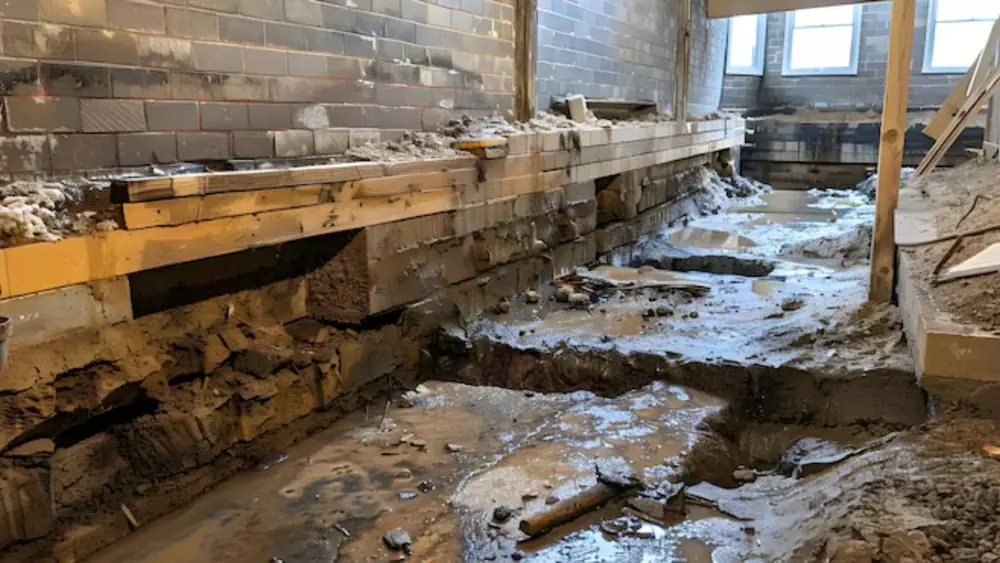
What drying looks like on a slab floor
Concrete is dense and holds moisture longer than framing does. Wet carpet pad usually comes out first because it soaks like a sponge. Tile can stay if the water has somewhere to go, while laminate and engineered flooring often swell and need replacing.
Crews set air movers to push air across the surface and LGR dehumidifiers to pull moisture out of the room. They check readings every day, record them in a drying log and adjust the setup. The aim is to confirm dry readings before anything new goes down. See our water mitigation service for the full sequence.
Where you can, get materials dry inside two days, the window EPA gives for heading off mold on soaked materials. A slab leak is slower to discover, so assume materials near the leak have been wet longer and have them checked.
When a slab leak turns into standing water
A line that fails fully can put water across the room quickly. Shut off the main valve, move rugs and furniture, and call the 24/7 line. Our emergency water removal crews use pumps and extraction units to take the water off the floor so drying can start.
Leak water is not always clean. If it has touched a drain or sewer line, or has sat for days, treat it as contaminated and stay out until it has been assessed.
What to ask your insurer
Insurers tend to separate a sudden event from a slow seep. A slab leak can sit in a gray area, so ask your insurer how it treats the repair access, the resulting water damage and any long-term seepage. Read the policy and ask in writing.
Photograph everything before it is moved, keep receipts for temporary repairs and keep damaged items until told otherwise. The same paperwork habits apply to homeowners in Tarzana and Woodland Hills, where we take these calls too.
Frequently Asked Questions
Who do I call in Reseda if my water meter keeps moving?
Start with LADWP, whose customer line is open 24/7 for water emergencies, and call a plumber for the pipes inside your property. Ask LADWP where its responsibility ends and yours begins at your address.
Can a slab leak cause mold?
Any long-term moisture can support mold growth, which is why materials near a slab leak should be checked with a meter. Health questions about mold belong to a physician.
Will my floors have to come out?
It depends on the material. Carpet pad and laminate usually go, while tile may stay and hardwood needs readings before a decision.
Do you fix the pipe?
No. We handle extraction, drying and the removal of wet materials. A licensed plumber repairs the line.
How long does drying take after the pipe is fixed?
It varies with the flooring, the amount of water and the humidity, and crews decide by daily readings instead of a calendar. Thick or dense materials take longer.
Water still spreading? Call the 24/7 line at (818) 337-2642.