
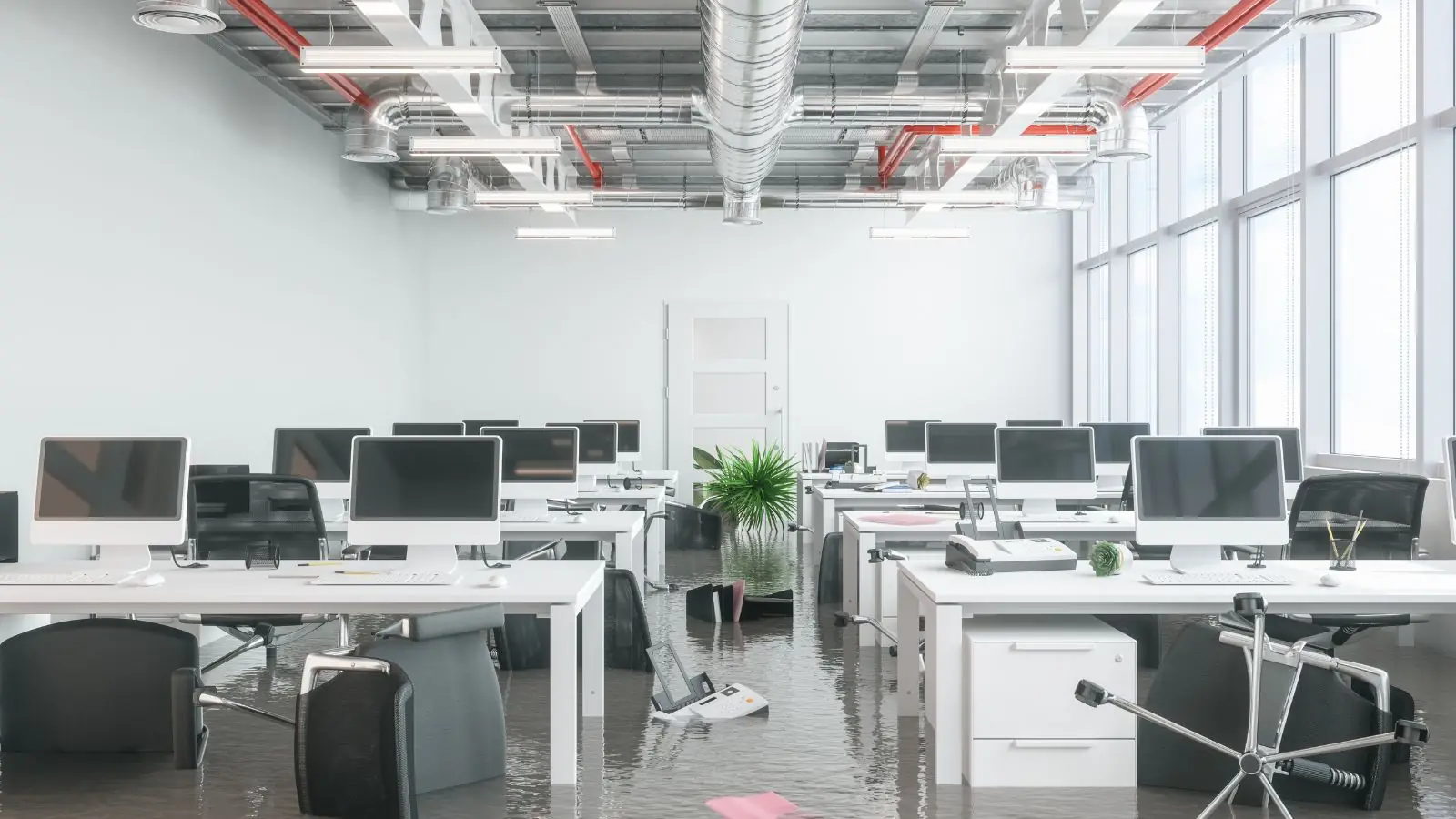
What commercial water damage restoration covers
Commercial water damage restoration is the removal of water from a non-residential space, followed by drying the floors, walls and ceilings it reached and recording the readings. In Reseda that usually means a burst or leaking supply line, a failed fixture, a roof leak or an overflow reaching a shop floor, an office suite or a storage room.
Here is what we do on these jobs: extract standing water, set air movers and dehumidifiers, take moisture meter and thermal imaging readings, and keep drying logs and photos. Rebuilding, buildout work and roof repair are separate trades, and we do not offer them here.
What you see and what it usually means
Standing water on the floor
A supply line, fixture or drain has released more water than the floor can absorb. Extraction comes first.
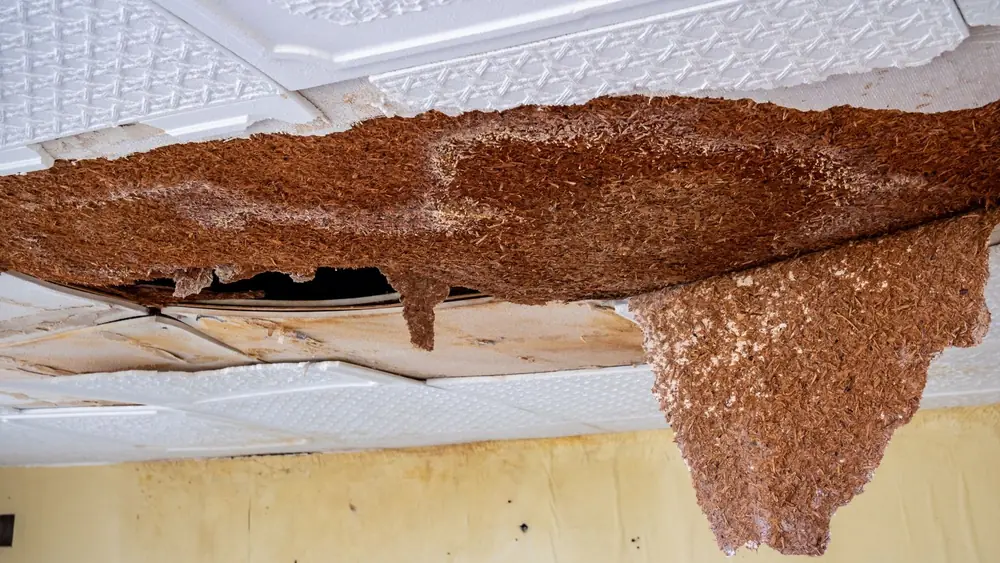
Ceiling tiles stained or sagging
Water has collected above the ceiling. Wet tile and insulation hold moisture long after the drip stops.
Baseboards lifting or paint bubbling
Moisture is climbing from the floor into the wall. Both the drywall and the cavity behind it need a meter reading.
Flooring cupping or seams opening
Wood, laminate and vinyl planks swell when water gets under them, and the subfloor may be wet as well.
A musty smell with no visible water
Moisture is sitting in a wall, ceiling or floor layer. A meter and a thermal imaging camera help locate it.
Need the loss documented for your claim?
Describe the space, the water source and what got wet. Photos and moisture readings are part of the assessment and drying visits.
First-hour safety steps while you wait
Water and electricity do not mix
If water is near outlets, power strips, equipment or the electrical panel, stay back. Switch power off at the panel solely when the box is dry and the path to it avoids standing water. If you smell gas or see sparking, leave the space and call 911 or the utility before the restoration line.
- Stop the source. Close the shutoff valve for the fixture or the building's main water valve.
- If the water appears to come from the utility side, LADWP says its Customer Service line is available 24/7 for water emergencies.
- Photograph the damage and the source before anything is moved.
- Lift paper, stock and electronics off the floor if you can do it safely.
- Keep people out of wet areas and away from sagging ceilings.
Water that came from a sewer line or drain is a different situation. Our sewage backup cleanup page explains why you stay out and who to call.
How a commercial loss is worked
Call and assess
The 24/7 line takes the details. On site, the technician traces where the water started, verifies the flow has ended, and charts the wet zones using a thermal camera and pin and pad meters.
Extract
Standing water on hard floors and carpet is pulled off by portable or vehicle-powered extractors.
Set drying equipment
Air movers and LGR dehumidifiers go in based on the moisture map. Wet ceiling tile, insulation or baseboard may be removed to let the cavity dry.
Monitor
Readings are taken at each visit and written into drying logs, so you can see the numbers move toward dry.
Document and close out
Photos, readings and a summary of work performed are compiled for the claim file, and equipment comes out when the readings reach the drying goal.
The published standard behind the work
ANSI/IICRC S500 is the published reference for water damage restoration, and it is the source for the water categories and the drying approach used across the trade. When comparing bidders, ask whether the crew follows it and where the daily readings get written down.
Clean supply water, gray water from appliances and contaminated water each call for a different response. Categories can worsen if water sits, so calling early keeps more of the space salvageable.
What changes the cost of a commercial loss
A price offered without a site visit is only a guess. After the walk-through you get the scope and the cost in plain terms ahead of the work. The following factors decide where it lands.
Area and water volume
A wet corner of a room is far smaller than water that has run under walls into the next suite.
Water category
Contaminated water adds protective gear, removal and sanitizing.
Floor and wall materials
Concrete, carpet tile, hardwood and drywall dry at different rates.
Equipment days
More affected area means more air movers and dehumidifiers running for longer.
Demolition needed
Ceiling tile, insulation or wall sections removed to dry the cavity add labor and disposal.
Looking for a figure that fits your space? Phone any time and describe the layout and the damage.
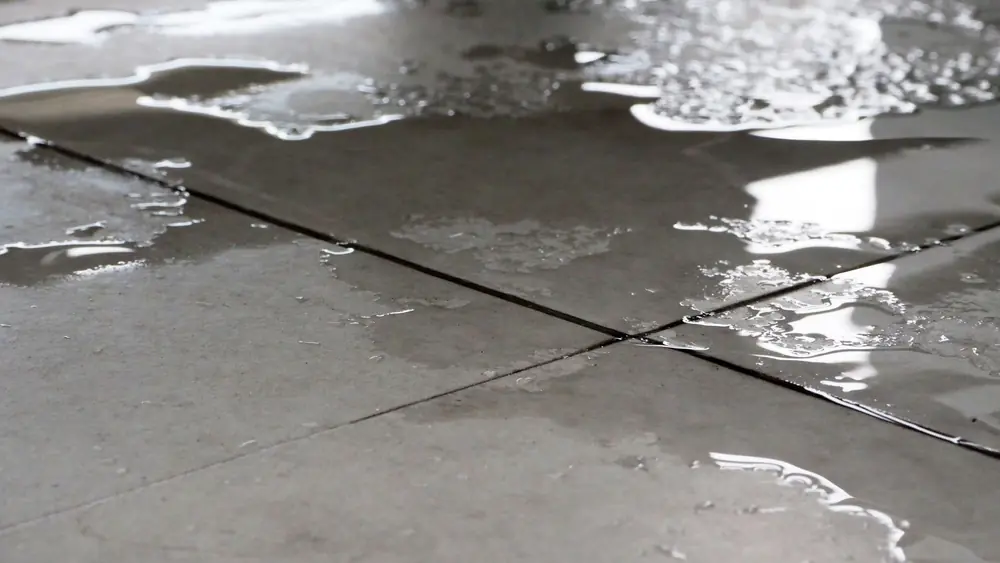
Commercial insurance and your claim file
Check the commercial policy, not a homeowner guide
Commercial policies differ from homeowner policies, and what is covered depends on the wording, the cause and any deductible. Sudden water from a burst line is treated differently from slow seepage, and flood is usually excluded. Check your policy or ask your insurer. If you lease the space, find out who carries which coverage.
The California Department of Insurance guidance for property claims tells policyholders to protect the property with temporary fixes, hold on to receipts and leave damaged goods in place until an adjuster looks. Insurers also owe an acknowledgment of the claim inside 15 calendar days after notice, unless they pay in that window. That guidance is written for residential claims, so confirm how your own policy applies.
Where drying ends and other trades begin
| Task | Restoration crew | Other trade |
|---|---|---|
| Remove standing water | Yes, with extraction units | No |
| Dry floors, walls and ceilings | Yes, with air movers and dehumidifiers | No |
| Moisture readings and photo records | Yes | Adjuster may also inspect |
| Repair the pipe, fixture or roof | No | Plumber or roofer |
| Rebuild finishes and buildout | No | Licensed contractor |
If most of the water came in through the roof, the roof leak water damage page describes that situation. The drying science, including readings and goals, is on our structural drying page.
Reseda locations and permits to keep in mind
The City Planning profile for the Reseda Central Business District overlay describes it as bounded by Sherman Way and Reseda Boulevard. If your space sits within that area, ask the city whether overlay rules touch exterior or storefront work before you plan a rebuild.
The LADBS guide for homeowners says construction work requires permits and inspections, and that plumbing, electrical and heating work need separate permits. CSLB says a contractor license is required for work that needs a building permit, and advises a small down payment and a written contract instead of rushing. Ask your city building department how that applies to a commercial rebuild.
Mistakes that make a commercial loss worse
- Waiting for the drip to stop before calling. Moisture keeps spreading through flooring and walls.
- Running the HVAC to dry the room. It can move humid air into the next space.
- Throwing out damaged items before photographing them.
- Covering wet flooring with new material. It traps moisture.
Our crews also work nearby in Tarzana and Northridge, and a general water damage cleanup is available once the drying is complete.
Frequently Asked Questions
Is emergency commercial water damage restoration available in Reseda?
Yes. Our phones never close, and dispatch begins as soon as you call. Timing depends on what else is going on, so no specific arrival window is offered.
What do you document for the insurance claim?
Photos of the damage and the source, moisture meter and thermal imaging readings, drying logs from each visit and a summary of the work performed.
Do you repair the pipe or rebuild the space?
No. We extract the water and dry the structure. The pipe, fixture or roof is a plumber's or roofer's job, and rebuilding is for a licensed contractor.
Does the water category matter in a commercial space?
Yes. It decides whether porous materials can stay and whether sanitizing is needed. Contaminated water means stay out and call.
Where in Reseda do you work?
Our crews head out from Saticoy Street in ZIP 91335, so a call about a Reseda commercial space starts there.
Water still spreading? Call the 24/7 line at (818) 337-2642.