
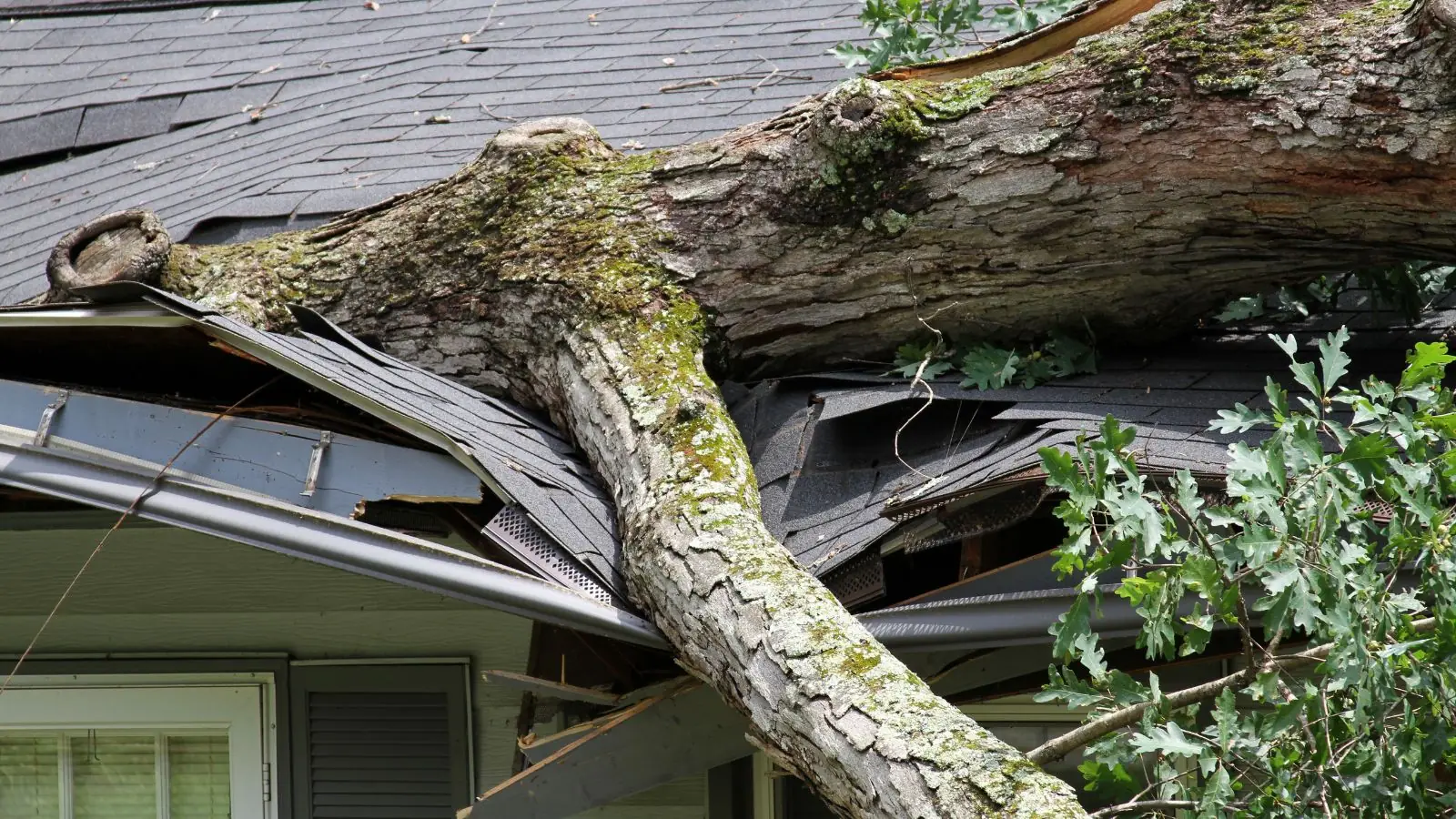
When Standing Water Comes In With the Storm
Storm water damage is what happens when rain and runoff arrive at ground level and push into a building through doors, garage openings, vents, window wells and low walls. If water is on your floor now, we answer the 24/7 line, and a few minutes of the right action helps. Stay out of moving or deep water, lift what you can onto furniture or shelves, and keep children and pets out.
A household vacuum is the wrong tool for standing water and adds a shock hazard. Do not walk through water toward the garage or a panel. Photograph the water line on the walls before it drops, because that mark shows how high the water reached.
Power Outages and Storm Safety
Outage plus water means treat every outlet as live
Storms often take out power, and it can come back without warning. If water is near outlets, a garage door opener, a sump pump or a panel, keep away and ring 911 or your electric utility first, then us. Flip breakers off only when the panel stands in a dry area and your path to it is dry too.
Never run a generator in a garage or inside the house. Exhaust fumes build up fast. Keep it outdoors and away from doors, windows and vents. If you smell gas, leave and call from outside.
Runoff still coming in?
Stay out of the water if outlets or a panel are nearby, then call the 24/7 line. Tell the dispatcher which door or room is taking water.
Why Ground-Level Water Gets In
The National Weather Service defines a flash flood as a rapid and extreme flow of high water into a normally dry area, beginning within six hours of the cause. That description fits a dry Valley street or a driveway that slopes toward the house. If your lot drains toward a door or garage, a short heavy burst is enough to put water inside.
Reseda sits beside the Sepulveda Basin. The Army Corps of Engineers describes Sepulveda Dam as a flood control project that holds upstream runoff and releases it to the Los Angeles River within the downstream channel capacity. That system manages river flow, not the water running off your own lot, so do not assume the basin keeps your doorway dry.
The Basin borders Encino and Tarzana as well, so crews also work Encino and Tarzana after the same storms.
Common weak points are the threshold under a door, a garage floor lower than the driveway, a clogged yard drain, a downspout that dumps against the wall, and soil graded toward the house. Check each one after a storm and note which took water.
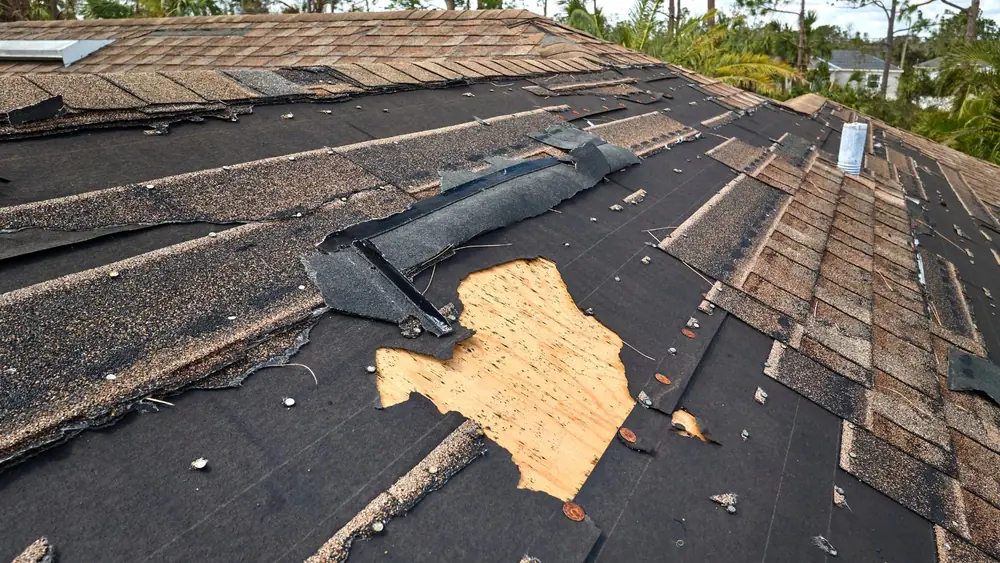
What Storm Water Leaves Behind
Silt line on walls
A tide mark shows how high the water got. Drywall and baseboards below it are usually wet through.
Mud on floors and in carpet
Runoff carries soil, leaves and street residue. It dries into a film that holds moisture and odor.
Swollen baseboards and door casings
Wood trim wicks water upward. Swelling means the wall bottom is wet behind it.
Wet garage with stored boxes
Cardboard soaks fast and stays wet. Move it onto shelves and photograph what was lost.
Damp odor after the water recedes
Moisture trapped under flooring or behind walls keeps going. Moisture meters find it.
Wet insulation at the wall base
Insulation that was submerged does not recover. It comes out with the wet drywall.
How a Storm Cleanup Runs
Runoff that crosses a yard, street or planter is rarely clean. Under ANSI/IICRC S500 practice, ground-level storm water is generally treated as Category 2 or 3, which means protective gear, careful removal of porous materials and sanitizing, not just drying.
Extract and clear
Submersible pumps start the job, with truck-mounted or portable extraction units taking the rest of the standing water. Crews then clear mud and debris off the floor.
Map the wet areas
A thermal imaging camera and moisture meters reveal how far water wicked into walls and flooring.
Remove what cannot be saved
Soaked pad, baseboards and the bottom of wet drywall come out. Flood cuts are made above the water line when needed. Details are in water damage cleanup.
Dry and sanitize
Once surfaces are cleaned and treated, air movers and LGR dehumidifiers pull the moisture out of the framing.
Log and document
Daily readings, photos and the drying log are kept for your insurance claim.
Storm Water, Roof Leak or Flood: Which Page Fits?
| What happened | Where water entered | Page that fits |
|---|---|---|
| Rain through the ceiling | Roof, flashing or vent | Roof leak water damage |
| Runoff under doors or into a garage | Ground level | This page |
| Deep water across a property, rising from outside | Whole lot or street | Flood damage restoration |
| Pooled water you need pumped out | Any level | Emergency water removal |
The line between storm water and flood damage matters for insurance. A leak or a storm opening is often handled differently than flood, which is why the cause on your claim deserves care.
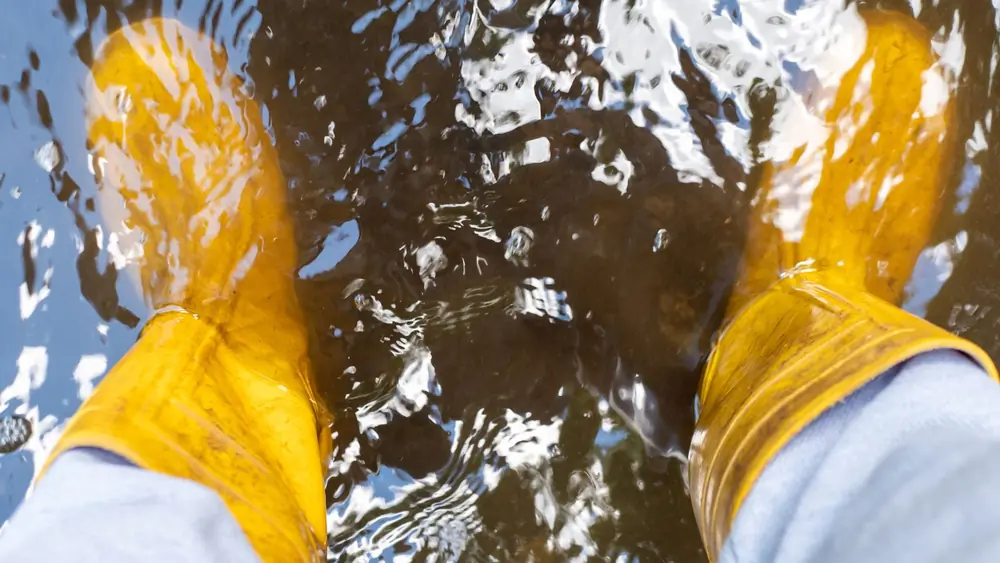
What Changes the Cost of Storm Cleanup
Depth and area of water
Inches in a garage and a foot across a living area are very different jobs.
Mud and debris volume
Heavy silt takes extra labor to remove before drying can start.
Water category
Category 3 water needs protective gear and removal of more materials.
Flooring and walls reached
Carpet and pad, laminate, tile and drywall each have their own handling.
Time before the call
Wet materials left overnight spread damage and add scope.
Pumping and mud removal are quoted once the crew sees how deep the water got. Call the 24/7 line and tell the dispatcher how high the water line sits to get a number that fits your property.
Storm Damage and Flood Insurance
Standard homeowners and renters policies in California usually leave out flood, and the Department of Insurance fact sheet names flood and mudflow among those exclusions. Rain that blows through a damaged opening may be treated differently. Read your policy and ask your insurer which one applies.
Flood policies typically start only after a 30-day wait, according to LA County storm guidance, so coverage bought once a warning is issued will not respond to that storm. Check floodsmart.gov and the FEMA Flood Map Service Center to see where your address sits. The LA County Public Works Flood Zone Determination site is another way to look it up.
Keep a record from the first hour
Photos of the water line, the entry point and damaged items, plus our moisture readings and drying log, support whatever claim applies. Ask your adjuster before throwing anything out.
Before the Next Storm
From June through September, NOAA's 1991-2020 data for Van Nuys Airport averages 0.12 inches or less of rain per month, which makes storm season a short winter window. Use the dry months to get ready. Clear yard drains, check where downspouts discharge, and note which door took water. LA County Public Works also runs a Sandbag Locator for finding sandbags in your area.
Restoration is not waterproofing. Drying and cleanup restore what the water reached, but they do not change the grading or seal a threshold. A landscaper or contractor handles those, and the CSLB advises three bids and a written contract.
For the broader picture, the National Weather Service lists a January and February 1969 flood across central and southern California with 41 deaths and 40 disaster-declared counties. It is a reminder that big winters happen and that a plan beats a scramble.
Frequently Asked Questions
Is emergency storm water damage cleanup available in Reseda at night or on weekends?
Yes, at any hour. Phones are staffed overnight and on weekends. Staying out of the water and away from outlets is the smartest use of the wait.
Is storm water covered by my homeowners policy?
It depends on how the water got in. Flood is generally excluded and needs separate flood coverage. Rain through a storm-damaged opening may be treated differently. Check your policy and ask your insurer.
Is storm runoff considered contaminated?
Usually, yes. Water that crosses yards and streets picks up soil and bacteria, so it is generally treated as Category 2 or 3 and cleaned with protective gear.
Can you pump out my garage after the storm drains outside?
Yes. Pumps and extraction units clear the water, then we remove mud and dry the slab edges and walls. Remove stored items first if you can do it safely.
Does Sepulveda Dam protect my home from storm water?
It manages river-scale flood flow. It does not control runoff on your own lot or street. Use the FEMA flood map for your address to see what applies.
Water still spreading? Call the 24/7 line at (818) 337-2642.