
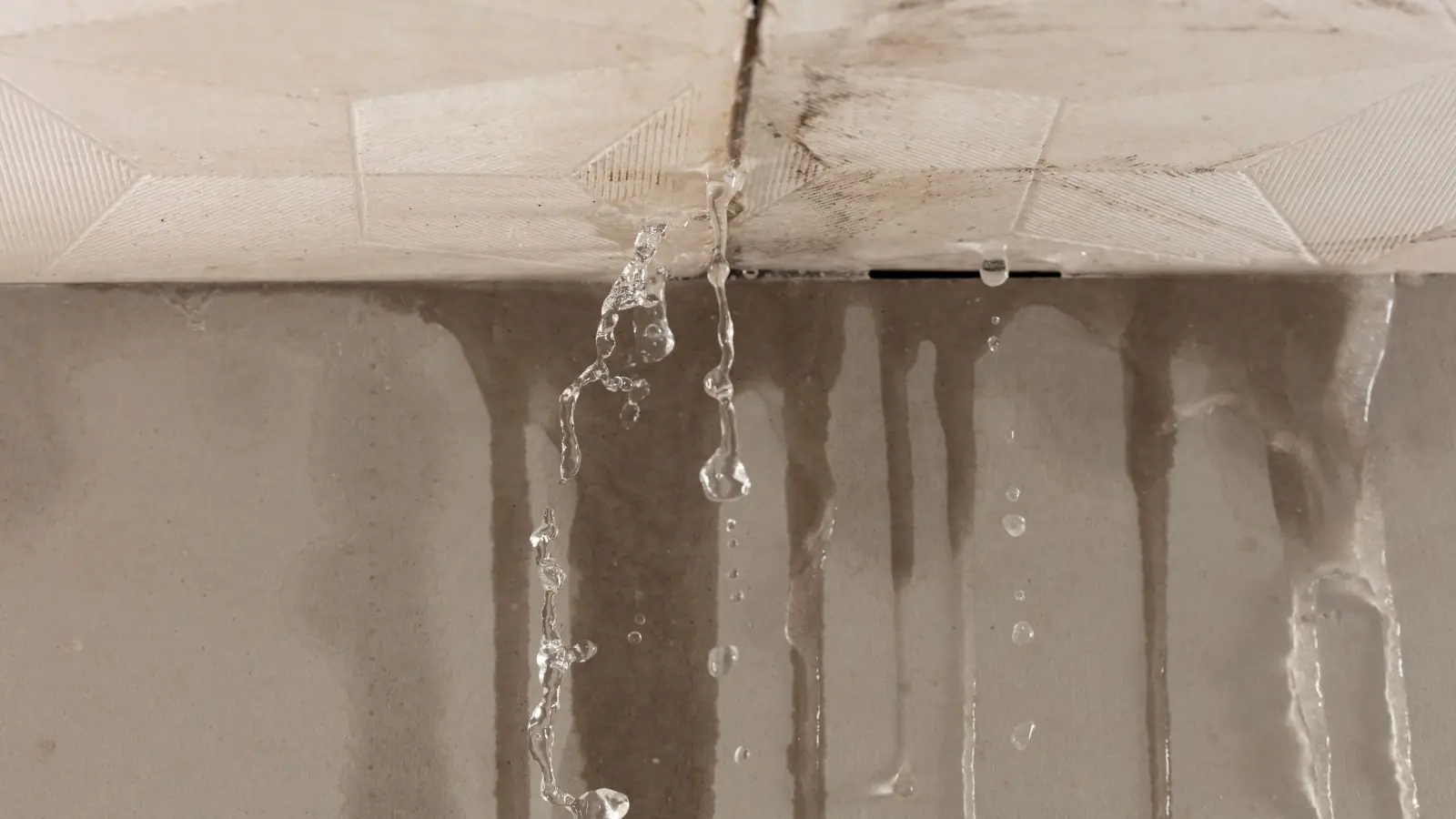
Rain Is Coming Through the Ceiling Right Now
Roof leak water damage is water that entered through the roof covering and then worked down through the attic, the insulation and the ceiling below. If it is dripping now, we answer the 24/7 line, and what you do before a crew gets to you keeps the damage small. Move furniture and rugs out from under the drip, set a bucket, and keep people out of any room with a sagging ceiling.
Turn off the light switch for any fixture that is wet or dripping. A roofer or tarp crew closes the opening. Our part starts once the water slows or stops.
Safety Steps for a Leak Above Your Head
Water in a ceiling can reach wiring and fixtures
Recessed lights, ceiling fans and smoke detectors are wired through the same ceiling cavity that is filling with water. If water is dripping from a fixture or a bulge sits near one, do not touch the switch with wet hands and do not stand under it. If the panel sits in a dry spot and your walk to it is on dry ground, switch off that circuit. If not, ring your electric utility or 911 before you call us.
Wet drywall and insulation are far heavier than they look. Never stand directly under a sagging ceiling, and if the bulge is large or growing, step out of the room and call.
Ceiling dripping while it rains?
Move furniture out from under the stain, set a bucket, and call the 24/7 line. Tell the dispatcher which rooms sit under the leak.
How Rain Finds Its Way Inside a Valley Home
NOAA's 1991-2020 climate data for Van Nuys Airport gives the Valley about 13.42 inches of rain a year, and roughly 82 percent of it arrives between December and March (our arithmetic on the NOAA monthly figures). A roof can go all summer without being tested, so a cracked sealant joint, a lifted shingle or a failed flashing around a vent can sit unnoticed until the first real storm. Walk the ceilings after the first big rain.
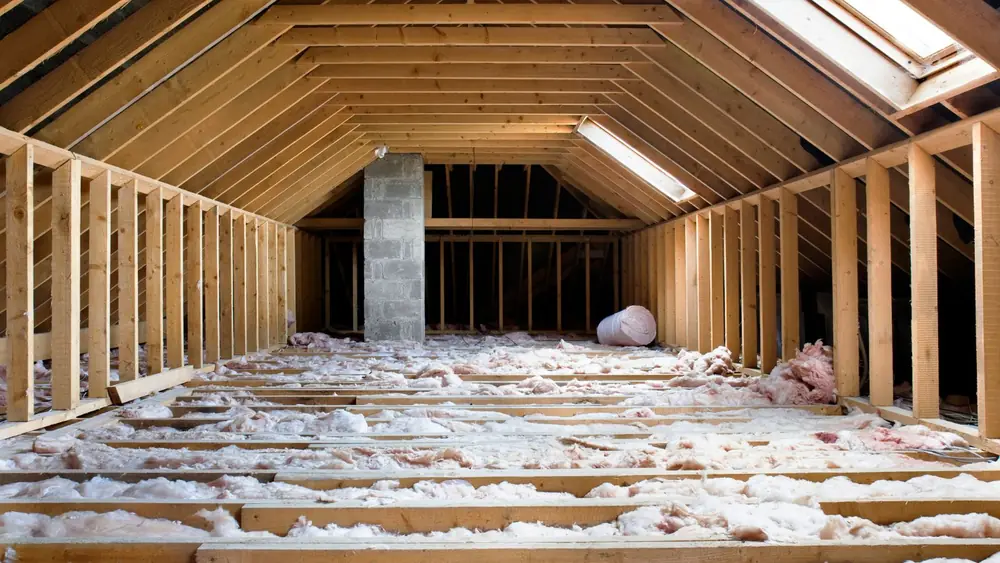
Roof types vary by property in Reseda. Many single-family homes have a pitched roof over an attic, while some apartment and condo buildings have flat or low-slope roofs with little or no attic space. Check which you have, since it decides where the water goes. With an attic, insulation soaks up the first water and the stain appears later. With a flat roof, water often reaches the ceiling drywall directly.
Common entry points include flashing around chimneys, vents and skylights, valleys where roof planes meet, missing shingles or tiles, and backed-up gutters. Wind-driven rain pushes water under roofing that sheds a straight downpour just fine.
Reading the Stain: What Each Sign Means
Brown or yellow ring on the ceiling
Water has soaked through the drywall and dried at the edge. Rings that grow after each rain point to an active roof opening.
Bulge or sag in the drywall
The board is holding water or wet insulation above it. Keep out from underneath and call before it fails.
What We Do After the Roof Is Sealed
Water that came through a roof starts out clean, usually Category 1 under ANSI/IICRC S500, but attic dust, rodent droppings and old insulation can push it into Category 2 by the time it reaches the ceiling. A crew checks the category before deciding what comes out and what dries in place.
Trace the water
Moisture meters and a thermal imaging camera map the ceiling, the wall tops and the attic floor. They show how far the water traveled beyond the visible stain.
Open and remove
Soaked drywall and wet batt or blown-in insulation come out in controlled sections. Insulation that stays wet holds moisture against framing, so it rarely stays.
Dry the cavity
Air movers and LGR dehumidifiers run on the framing and the surrounding rooms. Where the cavity is closed, crews may drill small access points to push air through.
Monitor and document
Readings go in a drying log each visit, with photos, so you have a record for your claim and know when the structure is dry.
Hand off for repair
Once readings are at dry standard, new ceiling, insulation and paint follow. That rebuild is water damage repair.
Roof Leak, Storm Water or Plumbing: Which One Is It?
Three different problems can put a stain on the same ceiling, and each one has a different owner. The table sorts them by where the water is coming from.
| Source | Clue | Who handles the opening |
|---|---|---|
| Roof covering or flashing | Stain appears during or after rain, worse in wind | A roofer closes it, we dry and remove wet materials |
| Attic or ceiling plumbing | Stain appears on dry days, may drip steadily | A plumber fixes it, then cleanup and drying begins |
| Rain at ground level | Water at doors, garage or yard | See storm water damage instead |
What Changes the Cost of a Roof Leak Cleanup
Area under the leak
One stained corner is a small job. A leak that traveled across an attic and several rooms is a large one.
Insulation type and depth
Deep blown-in insulation soaks up more water and takes more labor to remove than a thin batt layer.
Ceiling material
Standard drywall, textured ceilings and plaster each come out and dry differently.
How long it sat wet
A leak found the same day dries faster than one that has soaked for a week.
Access
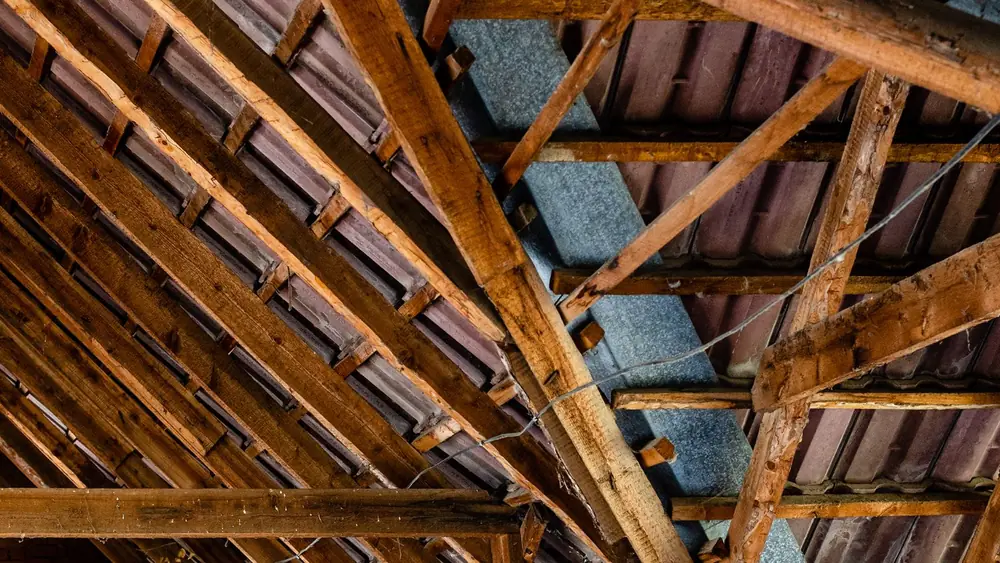
Tight crawl spaces, second-story attics and flat roofs with no attic change the equipment and time needed.
Nothing begins until the plan and price for your ceiling have been walked through with you. Call the 24/7 line and describe the leak to get a figure that fits it.
Roof Leak Insurance Questions
A storm that rips off roofing and lets water in is the kind of event policies usually cover. A leak from worn roofing that nobody repaired is a different story, and insurers often decline it. Check your policy and ask how it treats roof age.
Under California Department of Insurance guidance, temporary repairs and saved receipts come first, and larger permanent work waits for the adjuster's visit. The same guidance cautions that a policy may refuse further damage when the owner did nothing to protect the property. A tarp plus a call to the 24/7 line shows you acted.
Documenting a roof leak claim
Photos of the roof opening, ceiling and attic, plus moisture readings and a drying log, give your adjuster a clear timeline.
Mistakes That Make a Roof Leak Worse
- Painting over the stain. The paint hides the moisture and the leak keeps feeding the ceiling.
- Leaving wet insulation in place because the ceiling looks dry from below.
- Hiring the first roofer who knocks after a storm. CSLB suggests collecting three bids and insisting on a written contract, and a deposit kept small instead of paid in full up front.
- Skipping the gutters. Clogged edges push water back under roofing, and LA County storm guidance lists clearing gutters and outdoor drains ahead of a storm as basic preparation.
Renters: the California Attorney General's habitability sheet lists a weatherproof roof and walls among a landlord's duties. Put your leak report in writing.
Where Roof Leak Cleanup Ends
We do not patch or replace roofing, a licensed roofer does. For standing water on a floor, see emergency water removal. For rain arriving at ground level, see storm water damage. Homes in Northridge and Woodland Hills are in our dispatch area, and drying follows the published ANSI/IICRC S500 reference.
Frequently Asked Questions
Is emergency roof leak water damage cleanup available in Reseda at night or on weekends?
Yes. Dispatch picks up at any hour, overnight and weekends included. Until a crew gets there, stop what water you can reach and stay clear of wet fixtures.
Do you repair the roof itself?
No. A licensed roofer repairs or tarps the roof. We handle the wet insulation, ceiling drywall and framing below it.
How do I know if the insulation in my attic is ruined?
Wet insulation that has flattened, clumped or stayed damp for a day or more usually needs removal. Moisture meters and a thermal camera confirm what is still wet before anything comes out.
Will my homeowners policy cover a roof leak?
Insurers tend to pay for a storm-torn roof and resist claims tied to years of wear. Read the wording on your own policy and ask how roof age is treated.
Is a ceiling stain in the middle of summer a roof leak?
Usually not in the Valley, where summer is dry. A summer stain more often points to plumbing, an AC drain line or condensation, so check those first. Moisture readings help trace it.
Water still spreading? Call the 24/7 line at (818) 337-2642.